Guinness LogoSearch Icon
Search Icon

/

regenerative farming

GUINNESS REGENERATIVE FARMING
GUINNESS REGENERATIVE FARMING

THE FUTURE OF GUINNESS IS TAKING ROOT

As brewers and innovators, Guinness is committed to sustainability and preserving the natural resources on which we all depend. We are only 264 years into our 9,000-year lease at St James’s Gate and we will never settle in pursuit of a better, more sustainable future for all. We understand our responsibility to play our part in regenerating the productive landscapes and communities on which we depend. That’s why we’re undertaking the most ambitious regenerative farming project in Ireland.

WE'RE TURNING FARMING ON ITS HEAD

Regenerative agriculture is an approach to farming that works in harmony with the natural environment to put back more than it takes out.

USING THE POWER OF NATURE

With the intention of reducing the environmental impacts of barley production, among other key outcomes, we’re supporting barley farmers in this three-year project to explore and trial nature-based, sustainable farming practices.

WORKING WITH FARMERS

We are collaborating with Irish farmers to define the most effective regenerative agriculture practices that improve the health of barley, the soil and farmer livelihoods. 44 farmers are participating in the first phase, representing approximately 1,400 acres in six counties, including Kildare, Laois, Carlow, Kilkenny, Tipperary and Wexford.

A 3-YEAR PILOT TO ACHIEVE 5 KEY OUTCOMES

Working with Irish farmers, Guinness is defining regenerative farming practices tailored to the local and specific needs of Irish barley production. Our team includes our respected technical partners and agronomists to shape the design of this pilot and implement innovative practices.

OUR 5 MAIN GOALS

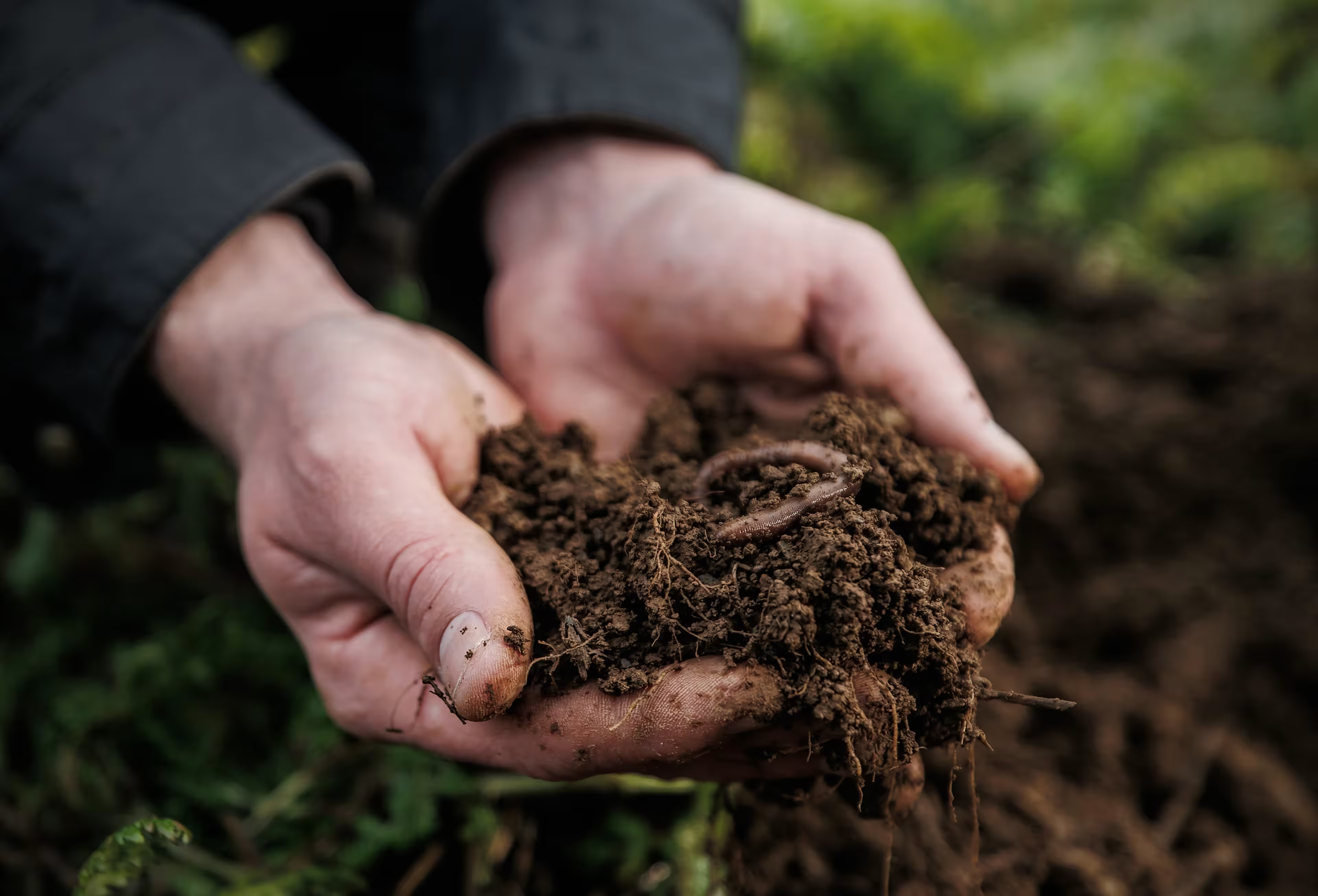
someone holding a handful of dirt in their hands in a field

REGENERATE SOILS & SEQUESTER CARBON

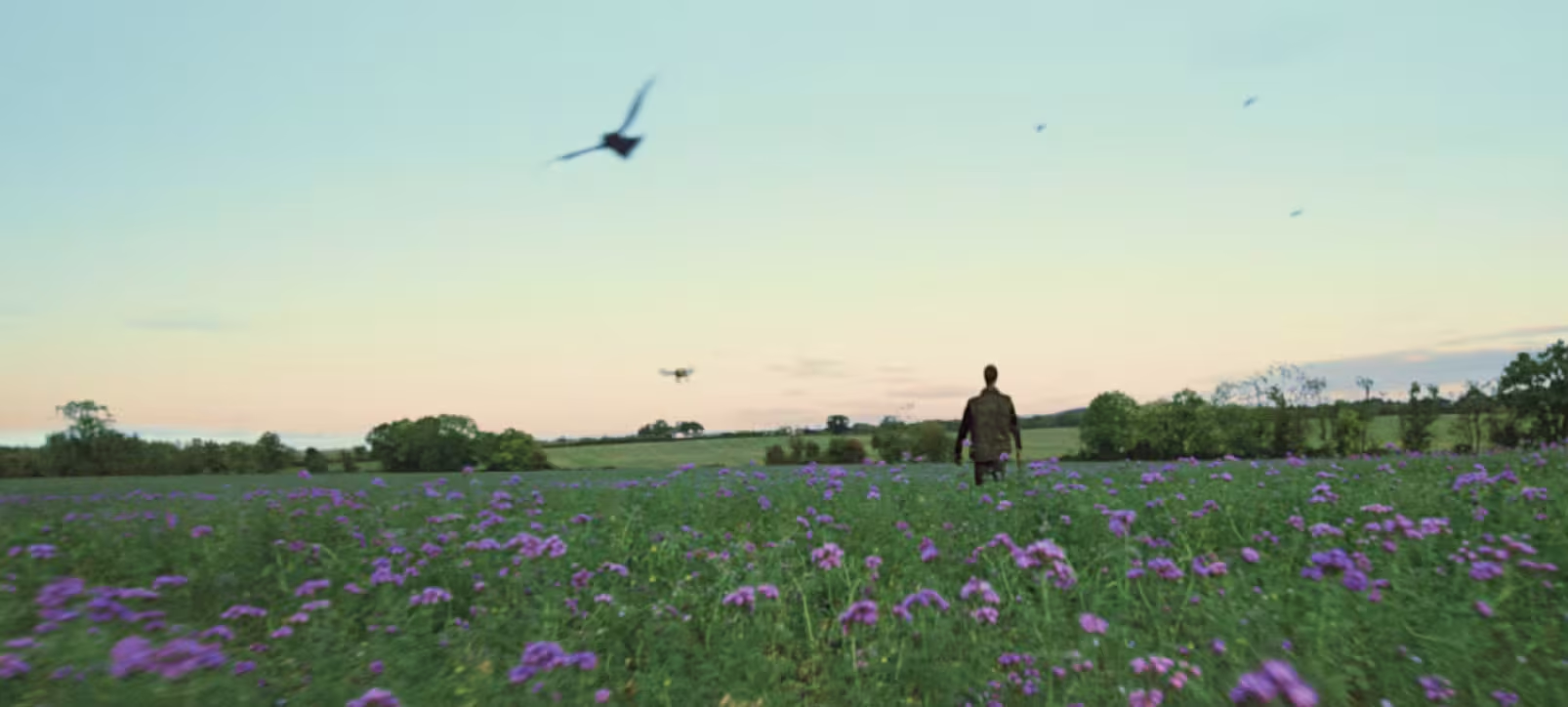
there is a small plant with yellow flowers in a field

ENHANCE HABITAT BIODIVERSITY ON FARMS
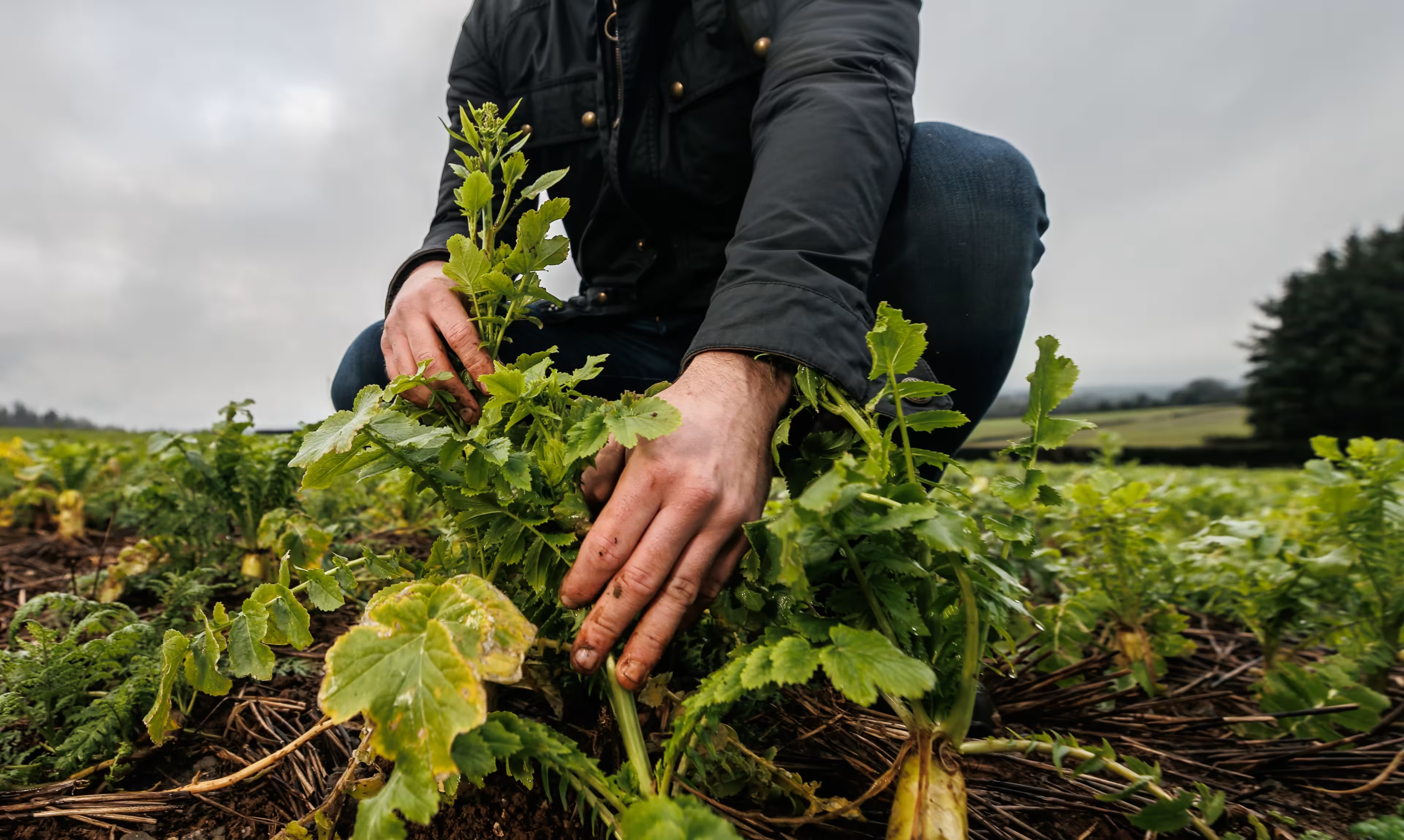
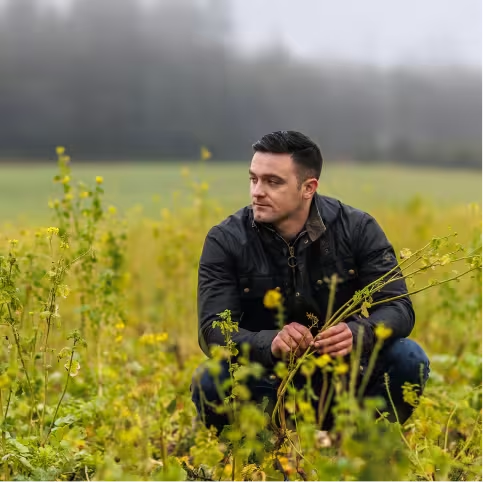
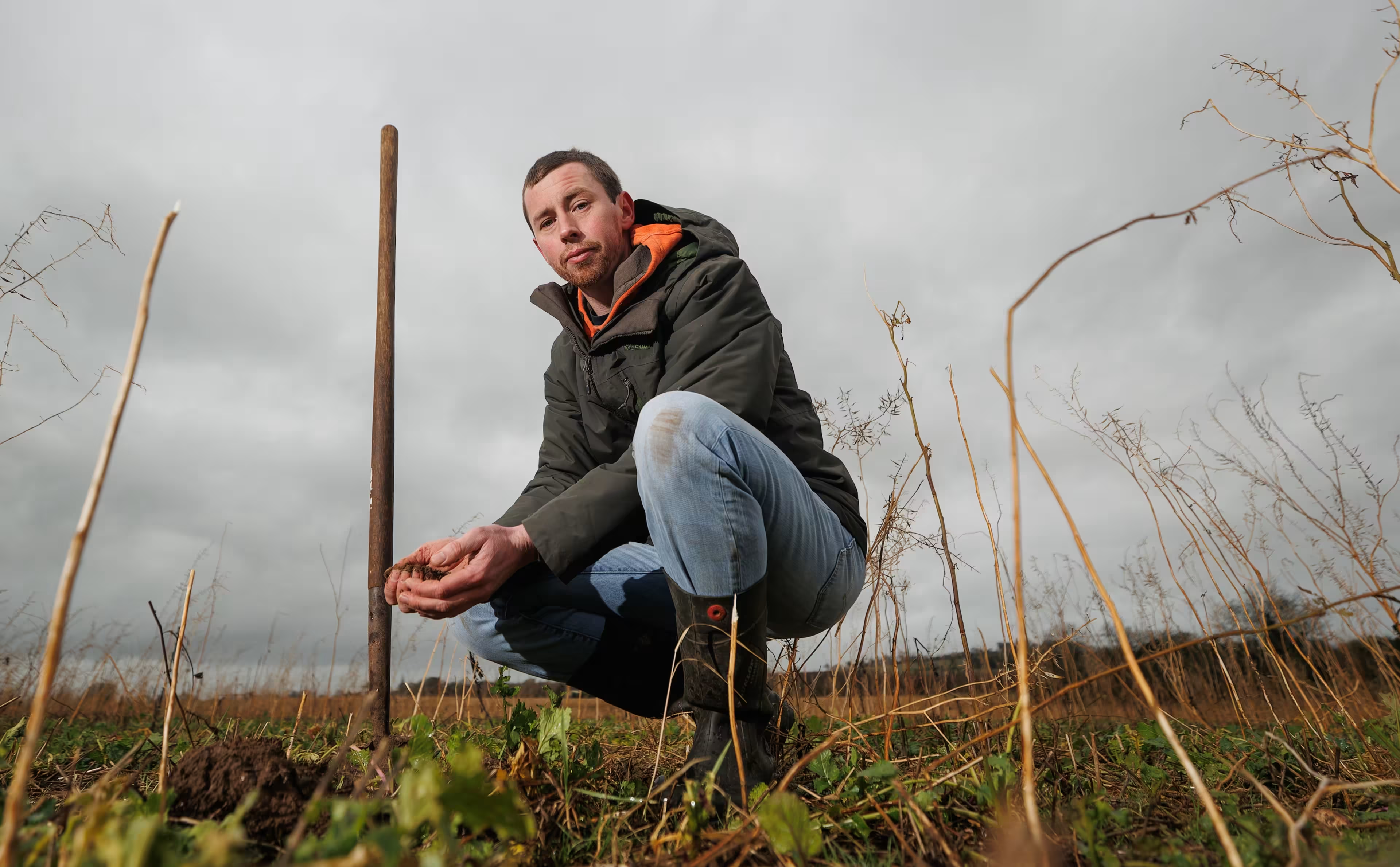
a man kneeling in a field of plants with a cloudy sky

REDUCE THE USE OF SYNTHETIC CHEMICALS
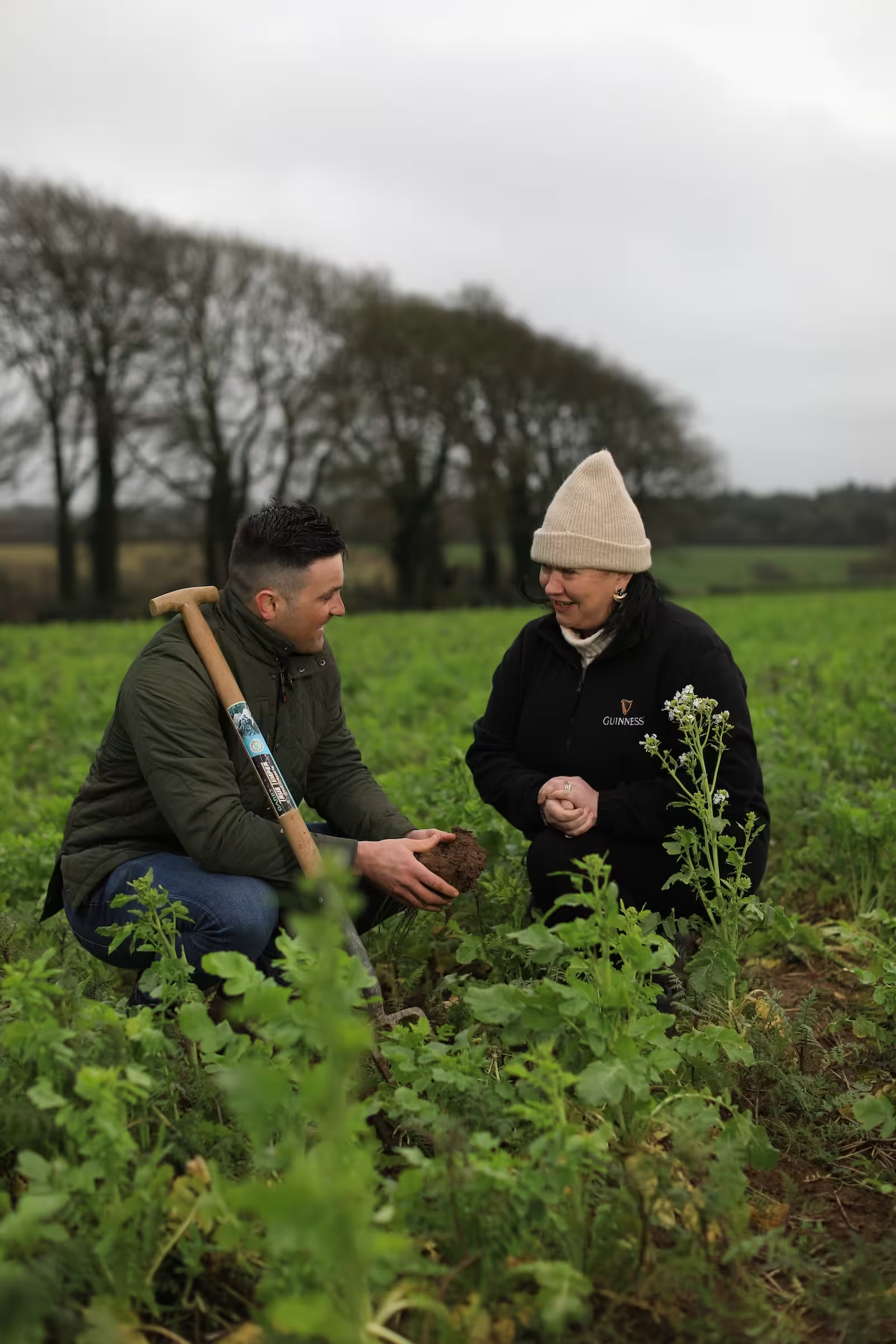
there are two men in a field with a shovel and a pickle

PROTECT OUR FARMER LIVELIHOODS

someone is holding out their hand to a stream of water

IMPROVE OUR IMPACT WATER QUALITY

OUR 5-STEP FARMING REGENERATION PLAN
a black and white image of a tractor with a tire

1. Recruit farmers for our pilot project

We are working with 44 barley farmers from across Ireland to help realise our goal and support them on the transition towards regenerative agriculture.
a black and white image of a tractor with a tire

2. Establish a baseline

We will measure soil health, biodiversity, water quality, and carbon levels before we start so we know what we are working with and can track progress over time.

a black and white image of a tractor with a tire

3. Develop tailored regeneration plans

With the support of our partners and experts, we will work with each farmer to design a tailored plan that will help improve soil health and increase biodiversity.

a black and white image of a tractor with a tire

4. Get to work

We will provide farmers with high-quality seeds, organic fertilizers, and natural solutions to help them implement their plans.

a black and white image of a tractor with a tire

5. Track progress

We will continue to track and measure our progress, sharing the results and what we learn along the way. This way, we can adjust plans as needed and share successful practices with others.

PROGRESS SO FAR
BASELINING

BASELINING

Part of the process is understanding which farming activities generate the most impact carbon emissions, water quality and biodiversity, and what practical measures farmers can take to reduce them without compromising crop yield or grain quality.

This is done through baselining, a methodology that uses a Life Cycle Analysis (LCA) tool to measure the current carbon footprint of producing barley on the farm and taking soil samples to assess soil health, soil organic carbon and soil nutrient status.

Creating a digital platform

Creating a digital platform

We are providing participating farmers with a digital management system to manage their crops and record their practices using technologies such as satellite monitoring, yield monitoring and cover crop assessments.

Cover crops

Cover crops

Cover crops are mixtures of biodiverse teams of beneficial plants grown in the gap between harvesting one crop and planting another. Their purpose is to protect and improve soil health by recycling nutrients. In year 2 of the pilot, we tripled the amount of cover crop seed distributed from 7 tonnes to 21 tonnes.

Every cover crop grown is monitored and analysed to determine how much carbon, nitrogen, phosphorus, and other nutrients are in the crop that can be recycled into the soil, building performance and resilience in the soil for future barley crops.

SUBSCRIBE

KEEP UPDATED WITH ALL THINGS GUINNESS